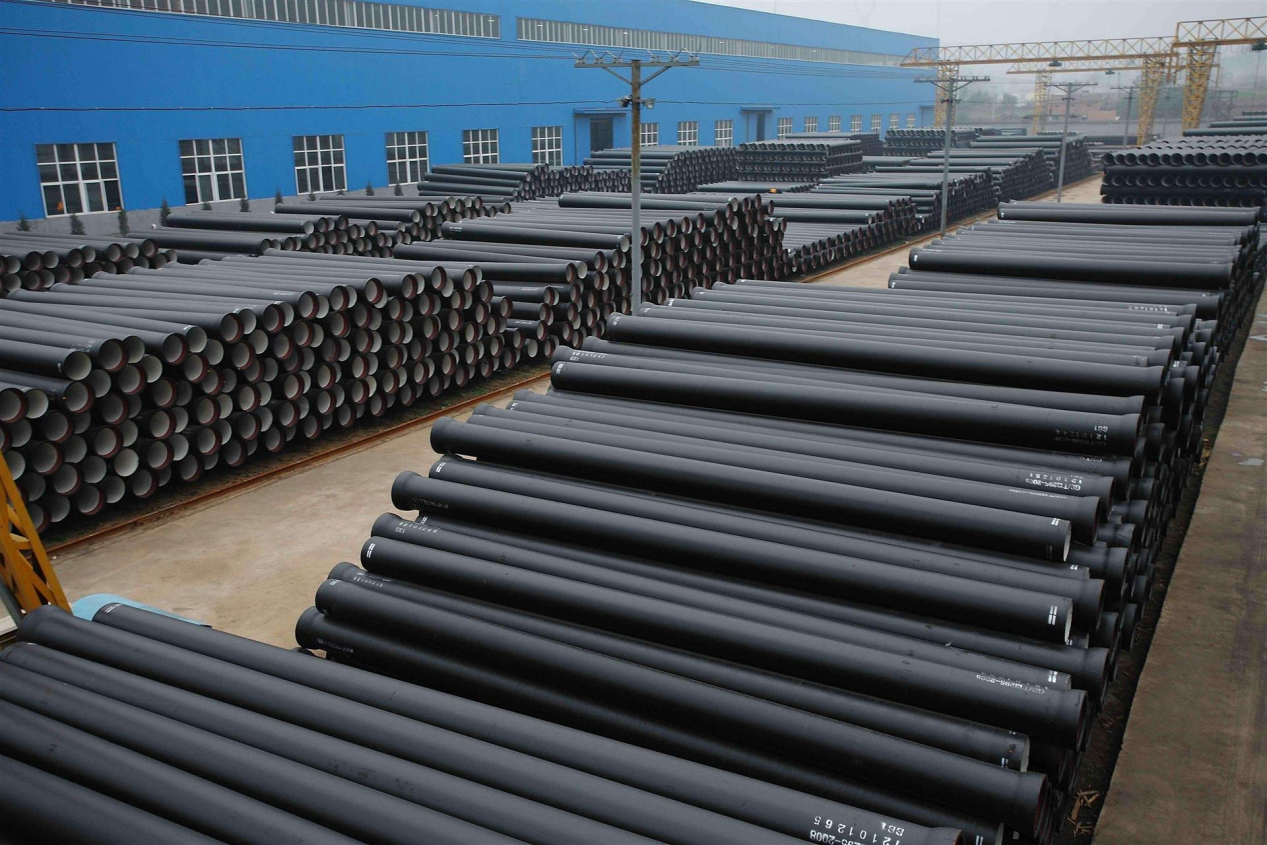
Recently, with the accelerated upgrading and renovation of China's urban water supply and drainage networks, ductile iron pipes—a core material dubbed the “underground lifeline” of cities—have once again become the focus of industry attention for their application and innovation. With their exceptional durability, safety, and cost-effectiveness, these pipes are providing robust support for China's new urbanization initiatives and water resource security.
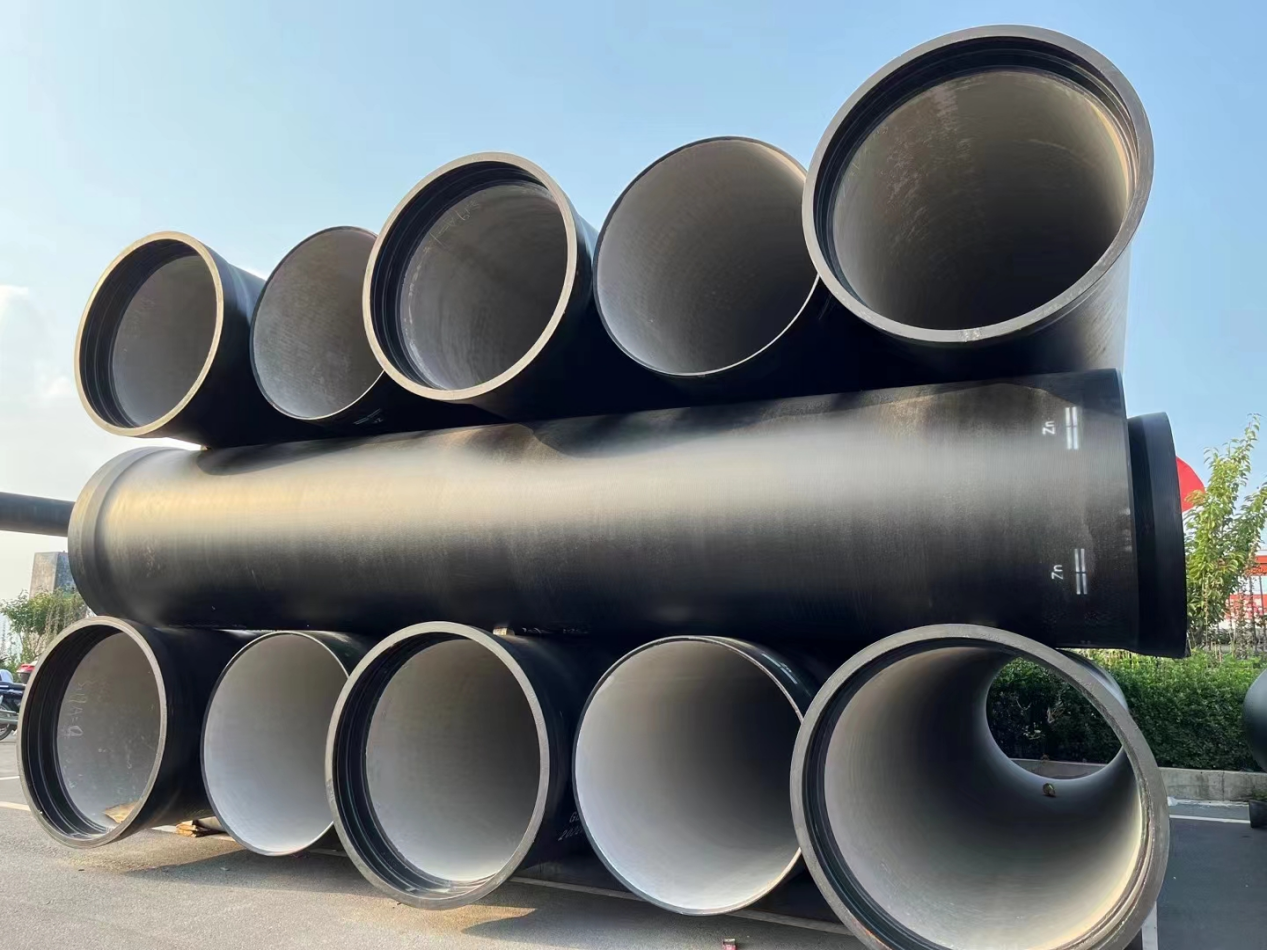
Ductile iron pipes are high-end piping materials produced by adding nodularizing agents to cast iron, transforming graphite into spherical shapes to significantly enhance mechanical properties. They combine the corrosion resistance of cast iron with the high strength of steel, boasting tensile strength over three times that of ordinary cast iron pipes and superior elongation. This enables effective resistance to external stresses like foundation settlement and vibrations, preventing pipe bursts and leaks. Industry experts note that under equivalent usage conditions, ductile iron pipes boast a design lifespan exceeding 100 years—far surpassing many other pipe materials—offering significant lifecycle cost advantages.
China's ductile iron pipe industry has now entered a phase of high-quality development. Leading enterprises continuously optimize pipe pressure-bearing capacity and corrosion resistance (e.g., through high-performance cement mortar linings and zinc-aluminum alloy coatings) while actively advancing intelligent production and green manufacturing. Production technologies for large-diameter, high-pressure-rated ductile iron pipes have matured, meeting the stringent demands of major national projects like the South-to-North Water Diversion Project, large-scale water diversion initiatives, and urban utility tunnels. Additionally, pipes featuring T-type slip-on flexible joints offer easy installation and excellent sealing, significantly enhancing construction efficiency and pipeline system reliability.
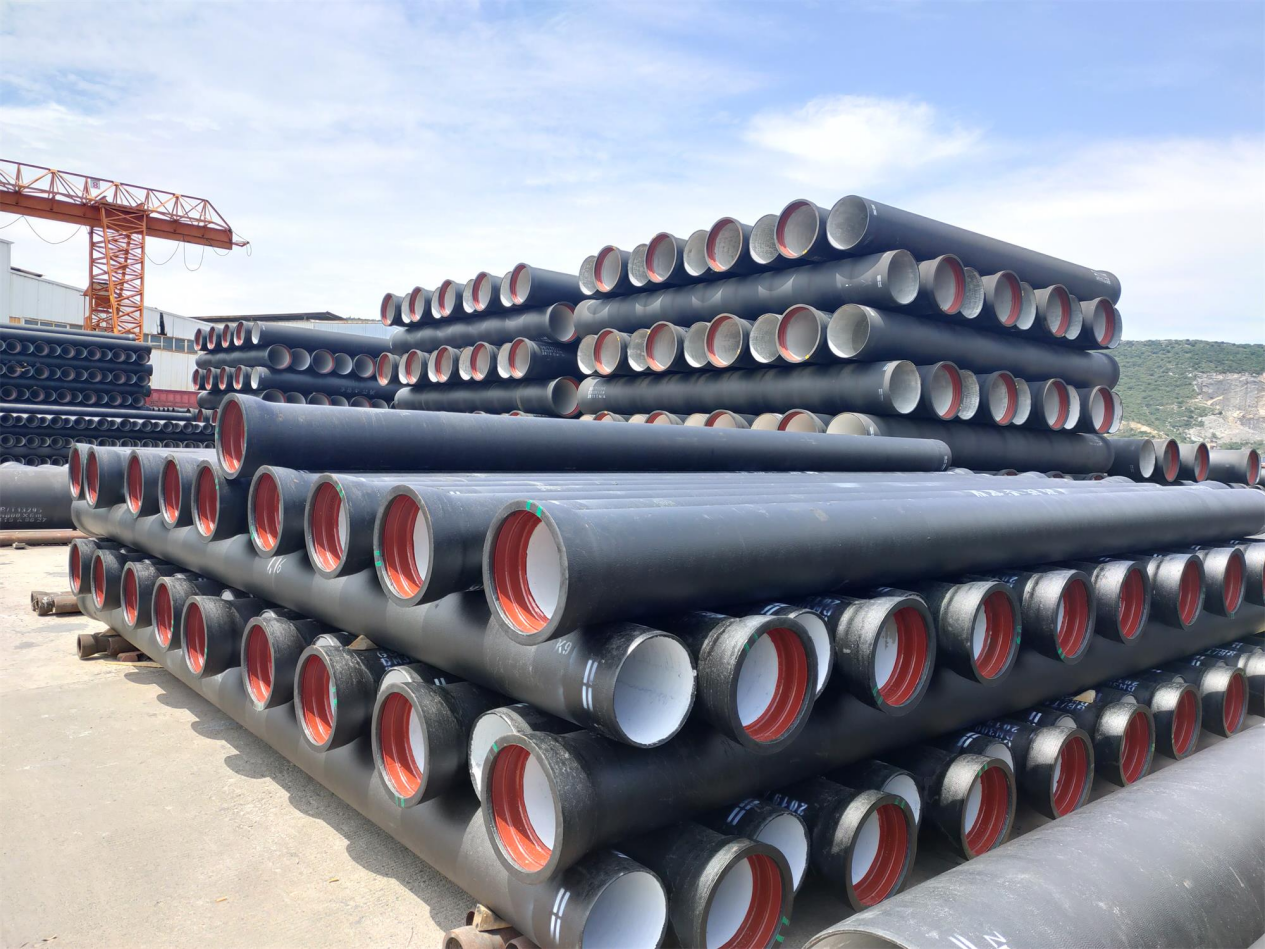
In today's era where concepts like “resilient cities” and “water-saving societies” are deeply ingrained, water loss rates in supply networks have become a critical metric. Ductile iron pipes, with their extremely low leakage rates and water quality safeguards (the inner lining effectively prevents secondary contamination), stand as an ideal choice for reducing water resource losses and ensuring drinking water safety. Furthermore, their exceptionally high recyclability aligns perfectly with the direction of circular economy development.
Looking ahead, with ongoing investments in upgrading aging pipeline networks, increasing demands for long-term infrastructure performance, and the advancement of high-standard agricultural water conservancy projects, the application prospects for ductile iron pipes—this “century-long pipe material”—will expand further. They will continue to quietly safeguard the lifeline of urban operations, injecting inexhaustible momentum into sustainable economic and social development.

Search News