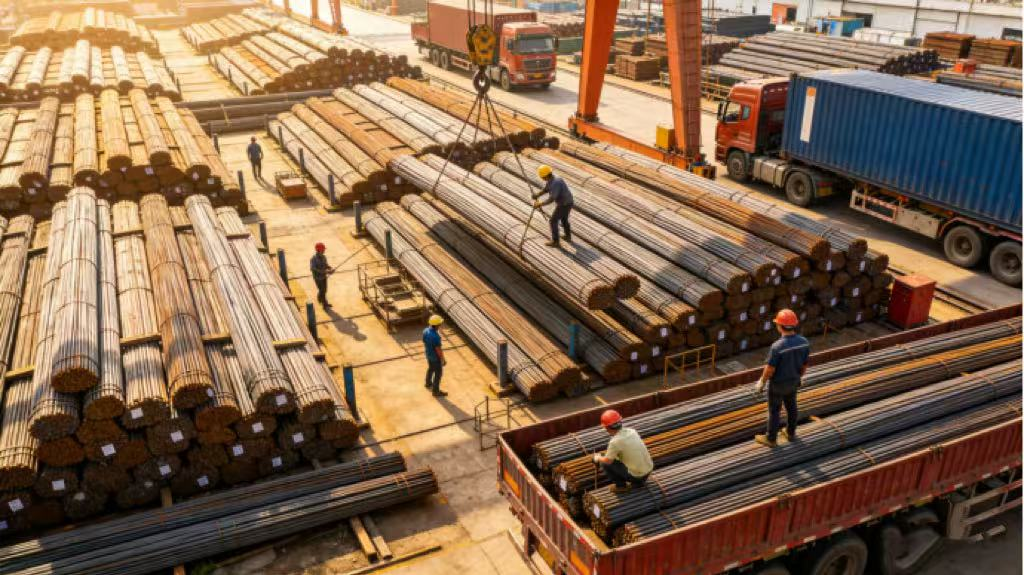
As the year draws to a close, the domestic rebar market exhibits distinct regional differentiation. Driven by rush construction demand for projects, transaction activity in South China has picked up, while North China and Northeast China have entered the traditional off-season with sluggish supply and demand. Price trends vary significantly across regions, presenting an overall pattern of "strong south, weak north, stable east, and flat west". Notably, fluctuations in the domestic market have become deeply interconnected with the international market. The weakened global demand for steel and adjustments in trade patterns continue to exert an impact on the domestic rebar market.
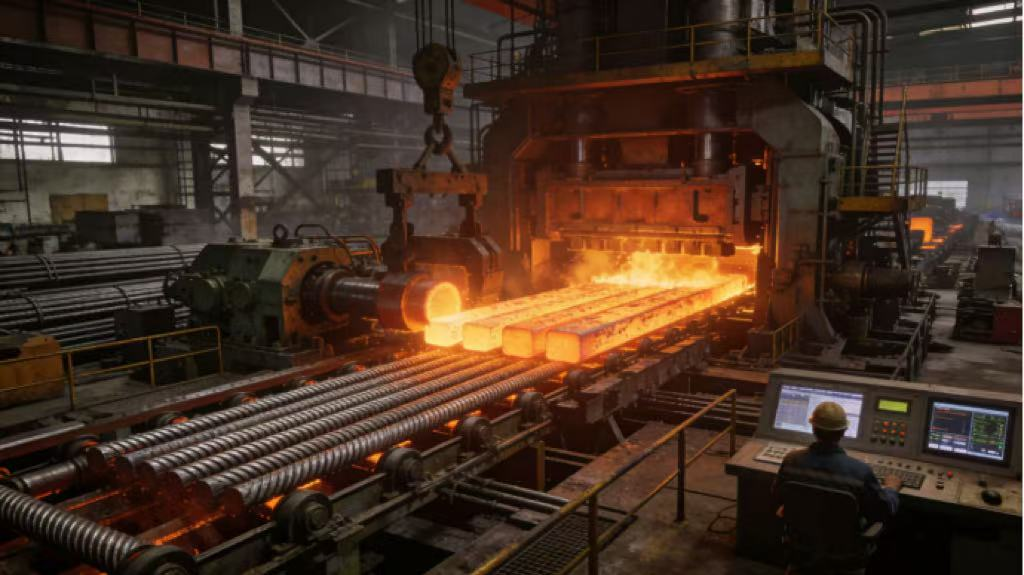
From the supply side, the steel industry's policies of "capacity reduction, greening, and integration" have maintained momentum throughout the year. The "Work Plan for Stabilizing Growth in the Steel Industry (2025-2026)" jointly issued by five ministries including the Ministry of Industry and Information Technology has further tightened controls on new capacity. From January to October, national crude steel output decreased by 3.56% year-on-year, indicating a significant supply contraction. Recently, environmental protection production restrictions have been intensified in Tangshan and other regions, pushing the weekly output of rebar to a yearly low, which has alleviated market inventory pressure to a certain extent.Currently, the north has entered the traditional off-season, with outdoor construction basically suspended. A small number of rush construction projects in the south mainly replenish inventory on demand, making it difficult to support a market recovery.
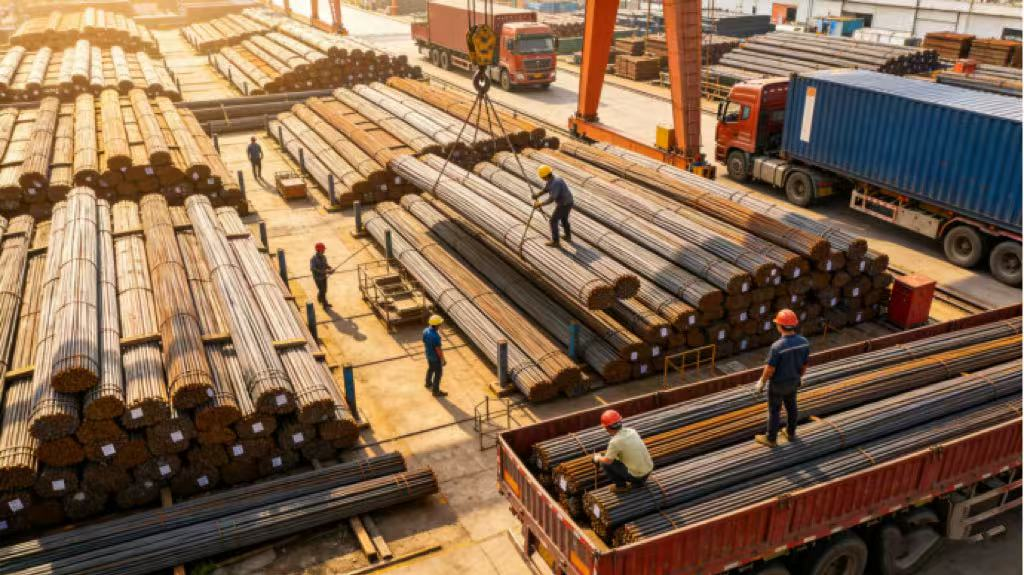
Looking ahead from the end of the year to the beginning of 2026, the regional differentiation pattern of the rebar market may persist, and uncertainties in the international market will become an important variable affecting the domestic market. The industry suggests that enterprises in North China and East China adopt a "low-position batch-wise" strategy, focusing on the inventory accumulation rhythm before the Spring Festival; enterprises in South China can flexibly adjust inventory based on demand advantages and seize opportunities from regional price differences. The progress of global economic recovery, changes in international trade policies, and the release rhythm of overseas infrastructure demand, together with the implementation effect of domestic policies and the start-up progress of projects, will jointly dominate the subsequent trend of the rebar market, which requires continuous and focused attention.
Search News
Jan. 09, 2026
Galvanized Steel Coil: 2025 Market Review and Industry Insights
View MoreDec. 26, 2025
View MoreDec. 19, 2025
View More