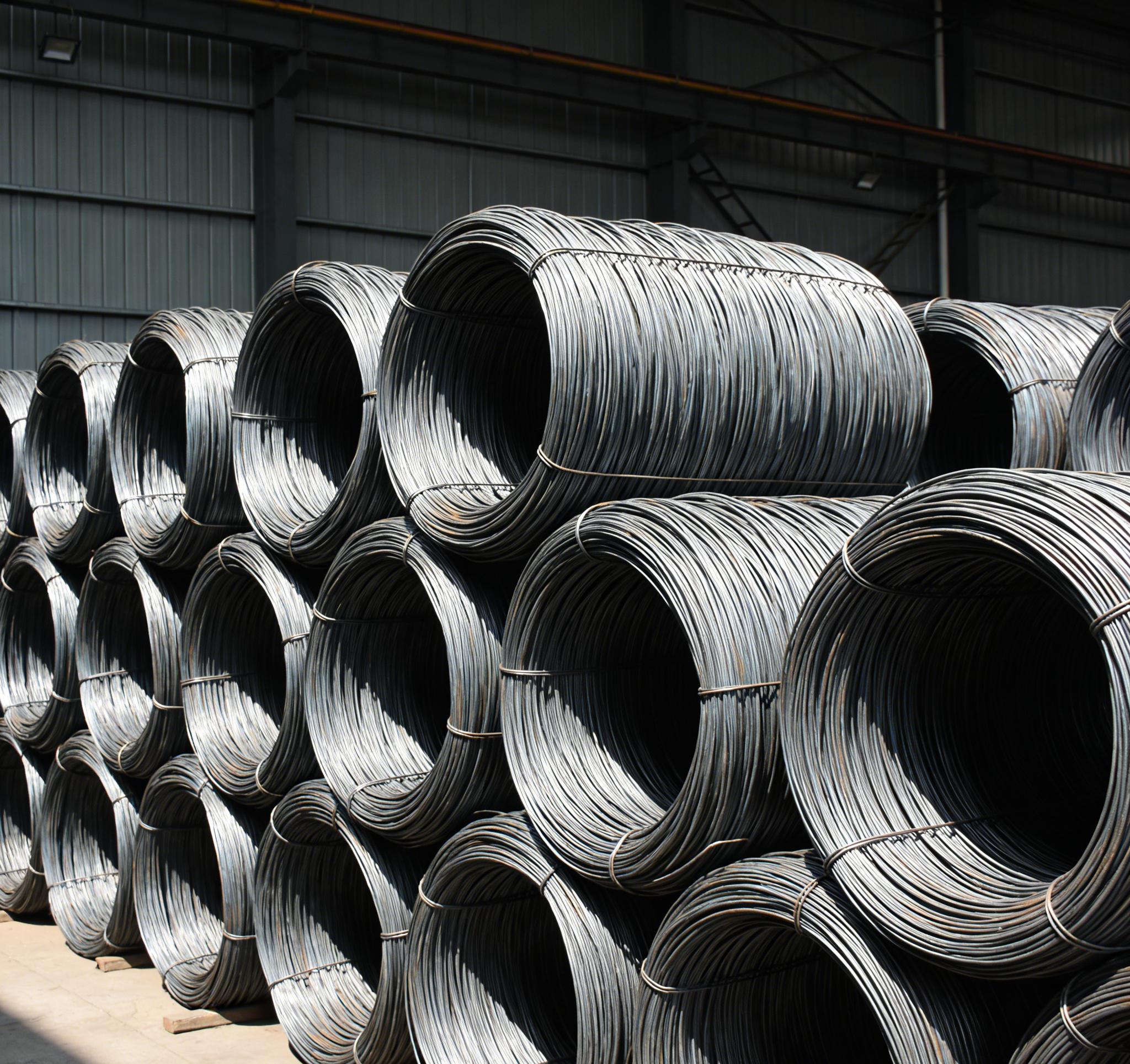
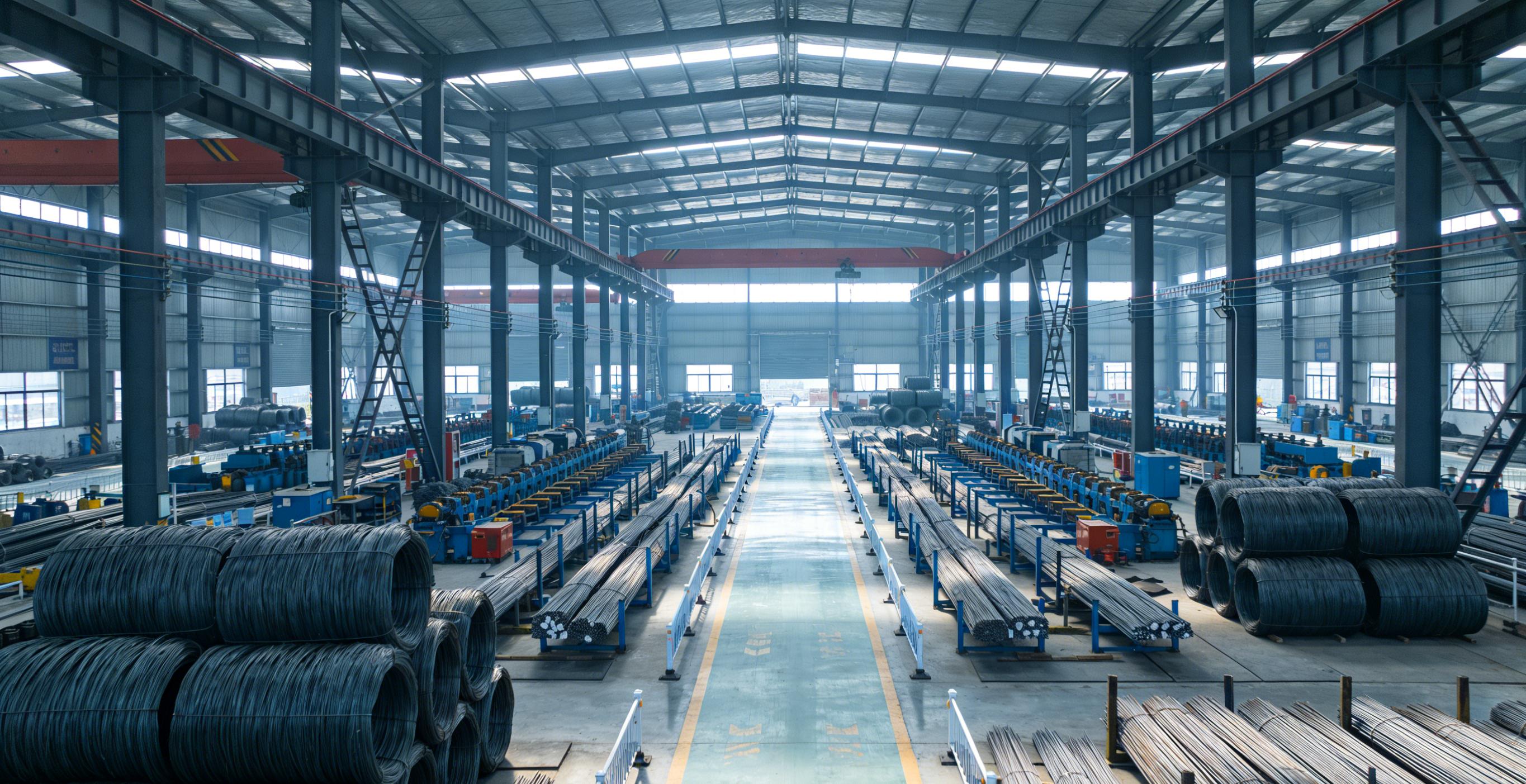
Recently, the global wire rod market has shown a steady development trend. Driven by industrial upgrading and policy guidance, the domestic market has continuously optimized its supply-demand structure, with high-end and green development becoming the core focus of the industry, and the linkage effect between domestic and international markets has become increasingly prominent.
In the international market, the demand for wire rod has shown diversified growth. Construction, automotive, and machinery manufacturing remain the main consumer sectors, while the demand in emerging high-end manufacturing fields is growing significantly. Thanks to the advancement of industrialization, the Asia-Pacific region accounts for the largest global market share. In contrast, driven by environmental policies, the European and American markets have increasing demand for low-carbon and high-quality wire rod. Leading enterprises continue to invest in technological upgrading, expanding the application of advanced processes such as non-twist controlled rolling and controlled cooling, which improves product precision and performance. At the same time, policies such as the Carbon Border Adjustment Mechanism (CBAM) are forcing the industry to undergo green transformation, shifting the trade pattern towards high-value-added products.
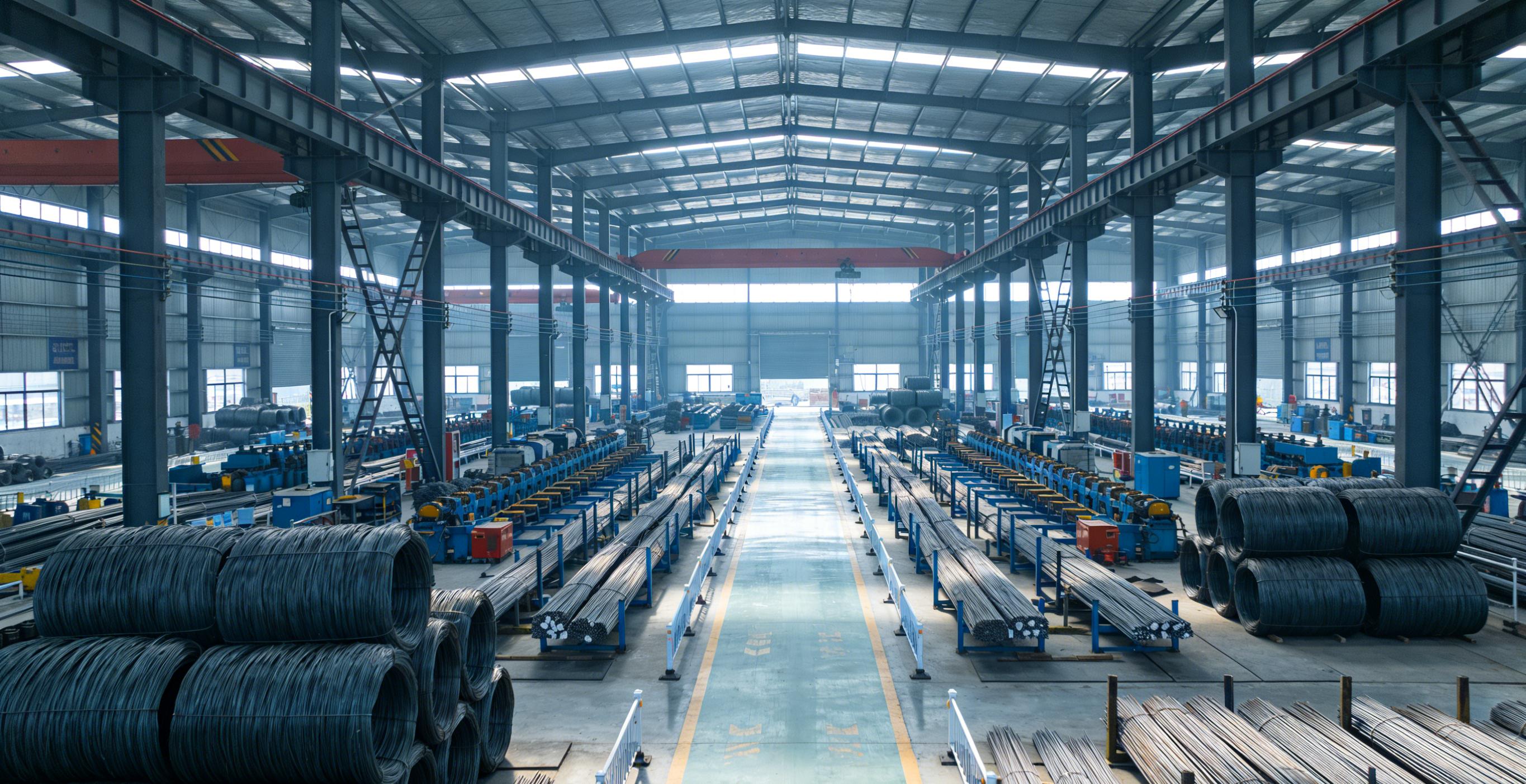
In the domestic market, the wire rod industry is undergoing structural adjustment. The proportion of demand in the traditional construction sector is steadily declining, while the demand in high-end manufacturing is rising, driving the optimization of product structure. Leading domestic enterprises are accelerating the R&D of high-end products, realizing mass supply of various high-value-added wire rod, and achieving remarkable results in domestic substitution. At the policy level, relevant industrial plans continue to support industrial upgrading, with the promotion of green production processes and the optimization of production capacity advancing simultaneously, and the application of low-carbon technologies such as electric furnace short-process steelmaking gradually expanding.
In the trade sector, domestic wire rod exports remain stable, mainly flowing to emerging markets such as Southeast Asia and the Middle East. Export products are gradually shifting from ordinary construction materials to high-end deep-processed varieties, but they also face compliance pressures brought by international trade barriers. In the future, with the recovery of global infrastructure and the upgrading of manufacturing industry, the demand for wire rod market is expected to be continuously released. Domestic and international enterprises will further focus on technological innovation and low-carbon transformation, and the industry competition pattern will continue to evolve towards centralization and high-endization.
Search News
Mar. 17, 2026
Latest News on the Domestic and International Wire Rod Industry
View MoreMar. 16, 2026
View MoreMar. 11, 2026
View More