Recent geopolitical tensions in the Middle East have escalated dramatically, significantly disrupting global steel supply chains. In particular, shipping costs—the lifeblood of logistics—are experiencing unprecedented volatility. Since early March, as security conditions in the Strait of Hormuz deteriorated, the global shipping market has entered a “war-time pricing” mode.
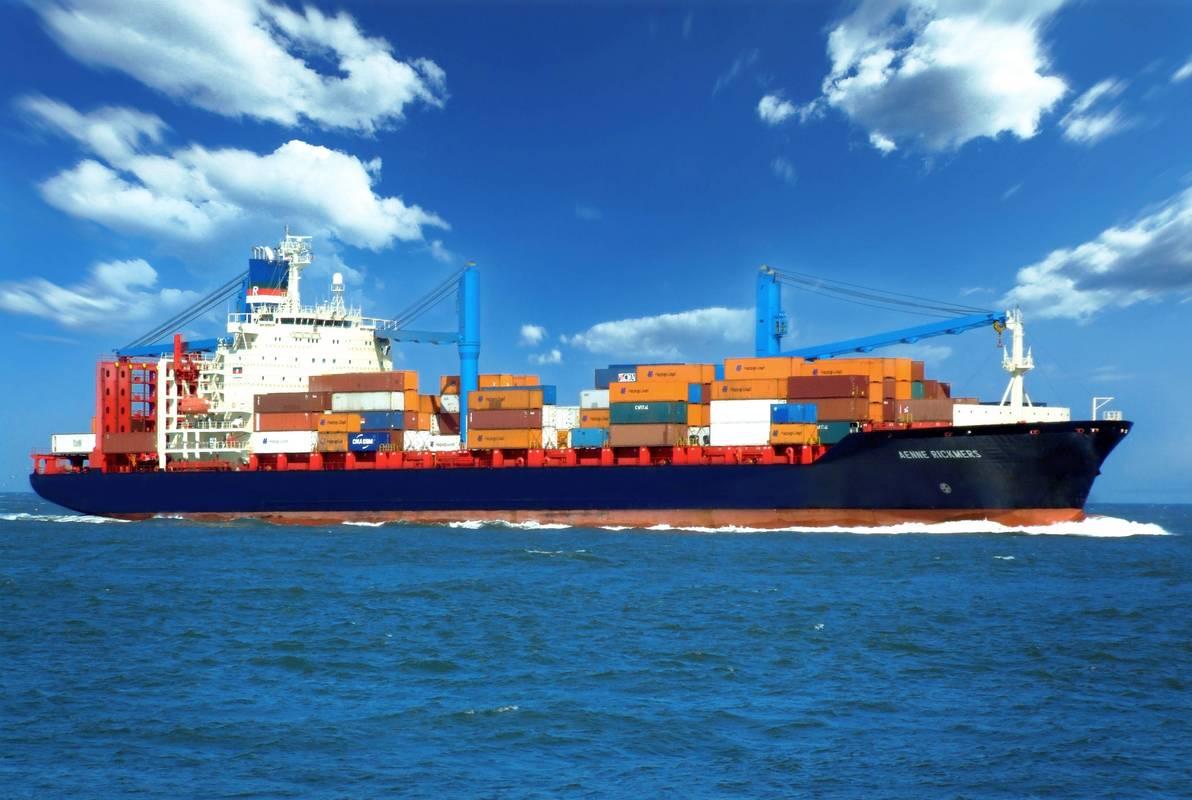 Tensions Escalate in Strait of Hormuz, Shipping Risks Surge
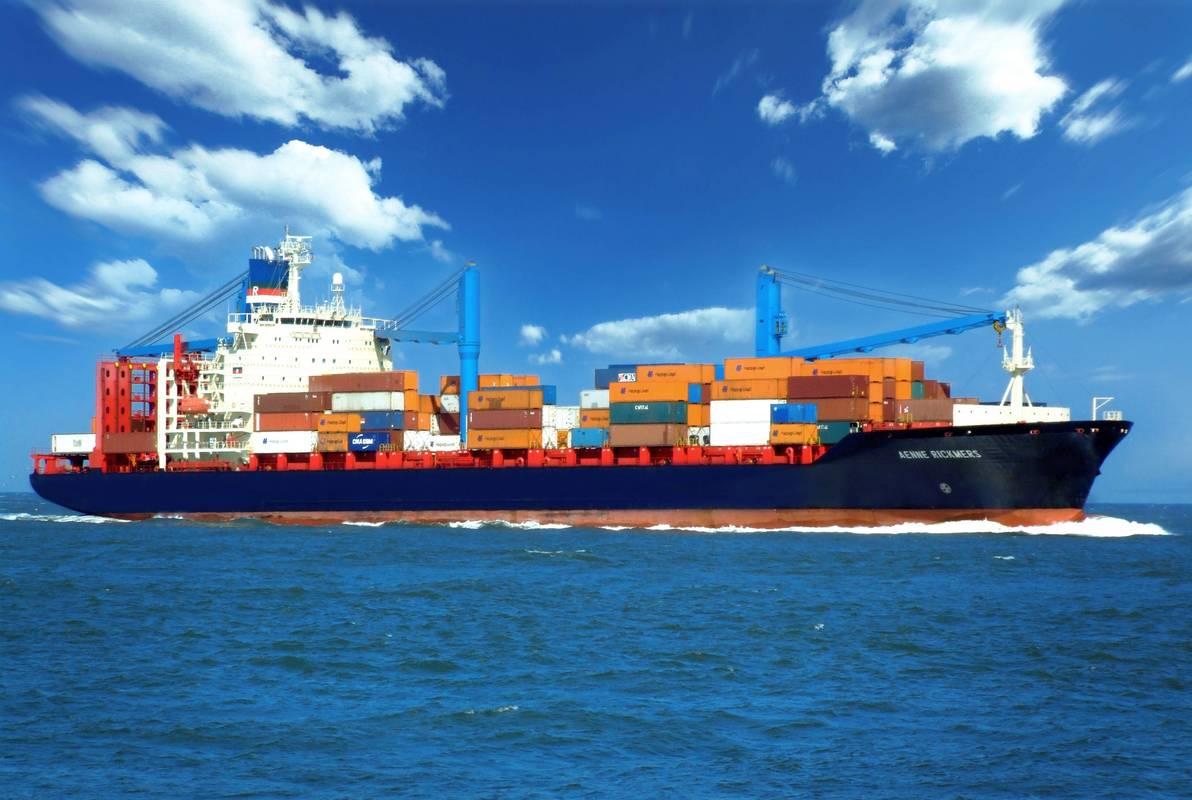
As a vital chokepoint for global oil transportation, the Strait of Hormuz handles approximately one-fifth of the world's oil supply. With the escalating conflict, the strait's actual navigation status has approached closure, prompting shipping insurers to suspend or cancel coverage services in the affected waters. Even if the situation eases in the future, the war risk surcharges reinstated afterward will rise significantly. Major global shipping lines like Maersk and CMA CGM have implemented countermeasures including suspending transits and imposing surcharges. War risk premiums announced for some routes reach as high as $1,500 to $2,000 per 20-foot container.
Freight Rates Soar as Route Diversions Extend Delivery Times
The direct impact of logistics disruptions is already reflected in freight rate indices. Data shows that as of March 5, the Drewry World Container Index (WCI) had risen by 3%. The oil tanker market is even more extreme, with Middle East route rates for Very Large Crude Carriers (VLCCs) briefly approaching $500,000 per day, setting a new historical record. For steel shipments, numerous vessels that would normally transit the Suez Canal have been forced to reroute via the Cape of Good Hope. This detour extends the Asia-to-Europe voyage by approximately four weeks, significantly increasing freight costs and causing severe delivery delays. Market sources indicate that freight rates on some routes have risen by 15% to 20% as a result.
Global Steel Trade Chain Under Pressure
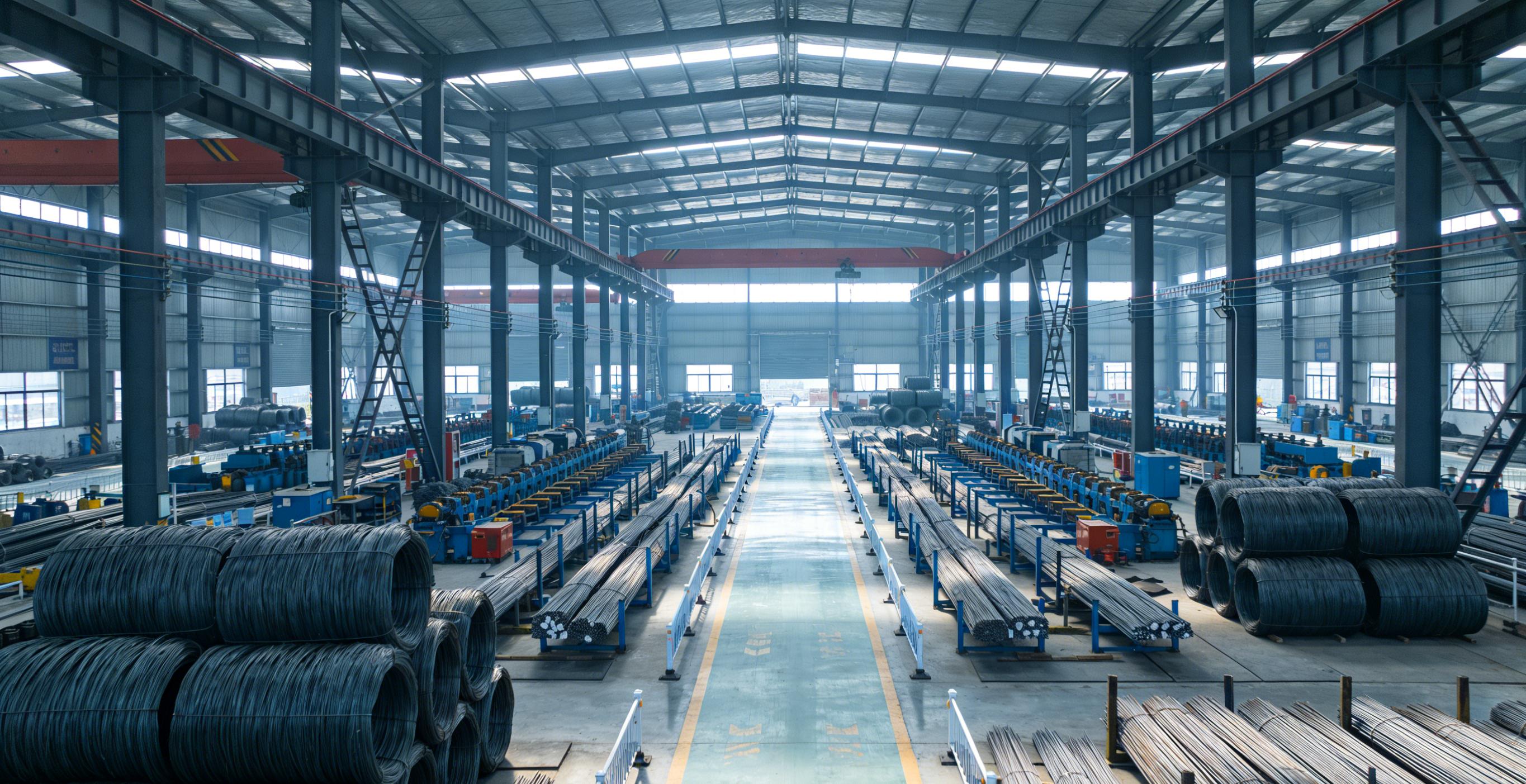
The sharp rise in logistics costs is now propagating throughout the entire steel trade chain. European steel imports now face longer delivery times and higher costs, coinciding with the EU's plan to tighten steel import quotas starting in July, further intensifying market uncertainty. Meanwhile, as a major global billet supplier, Iran's key ports remain closed due to the conflict, nearly halting its exports and causing temporary supply disruptions in resource flows across the Middle East, South Asia, and markets surrounding China. Currently, most traders have suspended quotations for the Middle East region, with a strong wait-and-see sentiment prevailing in the market.
Industry analysts suggest that if the geopolitical situation fails to ease in the short term, the combined effects of tight shipping capacity and rising energy costs will continue to drive up global steel trade costs, thereby providing bottom support for steel prices.
Search News
Mar. 16, 2026
View MoreMar. 11, 2026
View MoreMar. 09, 2026
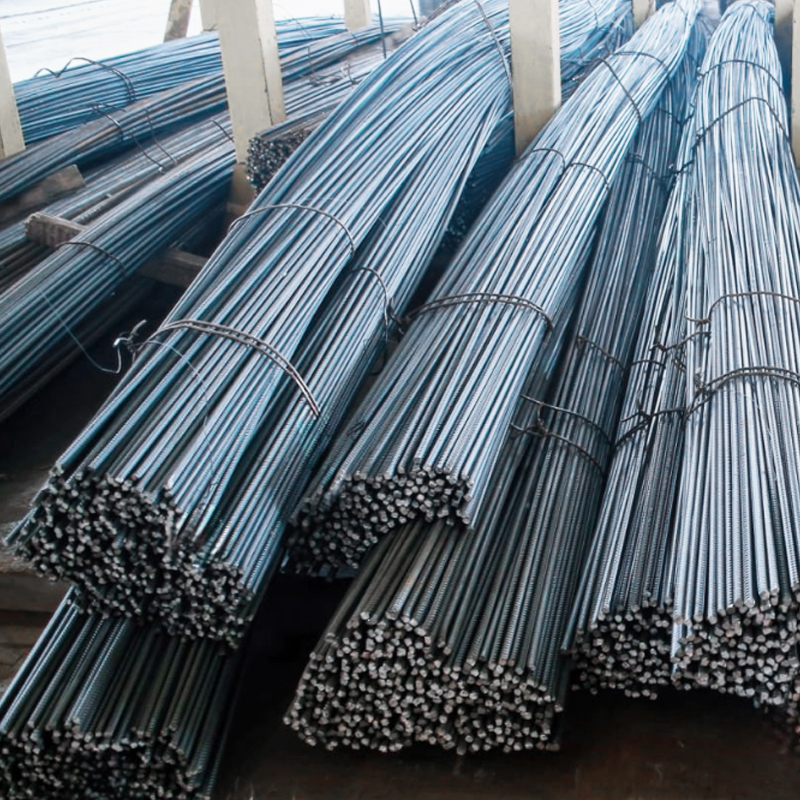
Recent Market Updates on Rebar in Domestic and International Markets
View More