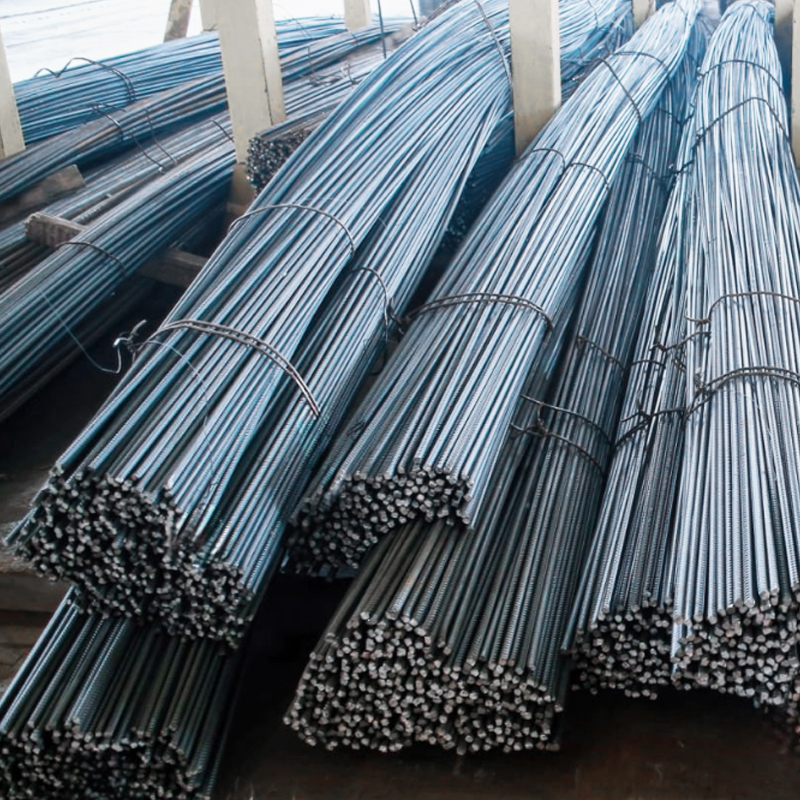
Recently, the domestic and international rebar market has experienced fluctuating trends due to multiple factors, including policy regulation, geopolitical dynamics, and supply-demand shifts, leading to gradual adjustments in the industry landscape and attracting widespread market attention.
In the domestic market, as the Spring Festival holiday concludes, the rebar industry is gradually resuming production and operations. Traders have made relatively rapid progress in restarting operations, with most already functioning normally, while the pace of resumption at downstream construction sites remains generally slow, showing regional disparities. The recovery in northern regions lags behind that in the south, resulting in limited short-term growth in actual steel demand. On the supply side, some steel mills plan phased production cuts, while independent mills gradually resume operations, leading to a steady rebound in capacity utilization. The supply-demand imbalance remains temporarily balanced.
At the policy level, domestic steel industry regulation continues to advance, with green compliance becoming a baseline requirement for corporate development. Policies aimed at curbing excess capacity are gradually being implemented, driving the industry toward high-quality transformation. Meanwhile, macroeconomic policy expectations remain positive, and the progress of infrastructure-related projects is expected to gradually release demand for rebar, providing market support. Currently, the domestic rebar market is a mix of bullish and bearish factors, with prices fluctuating narrowly and market participants largely adopting a wait-and-see stance.
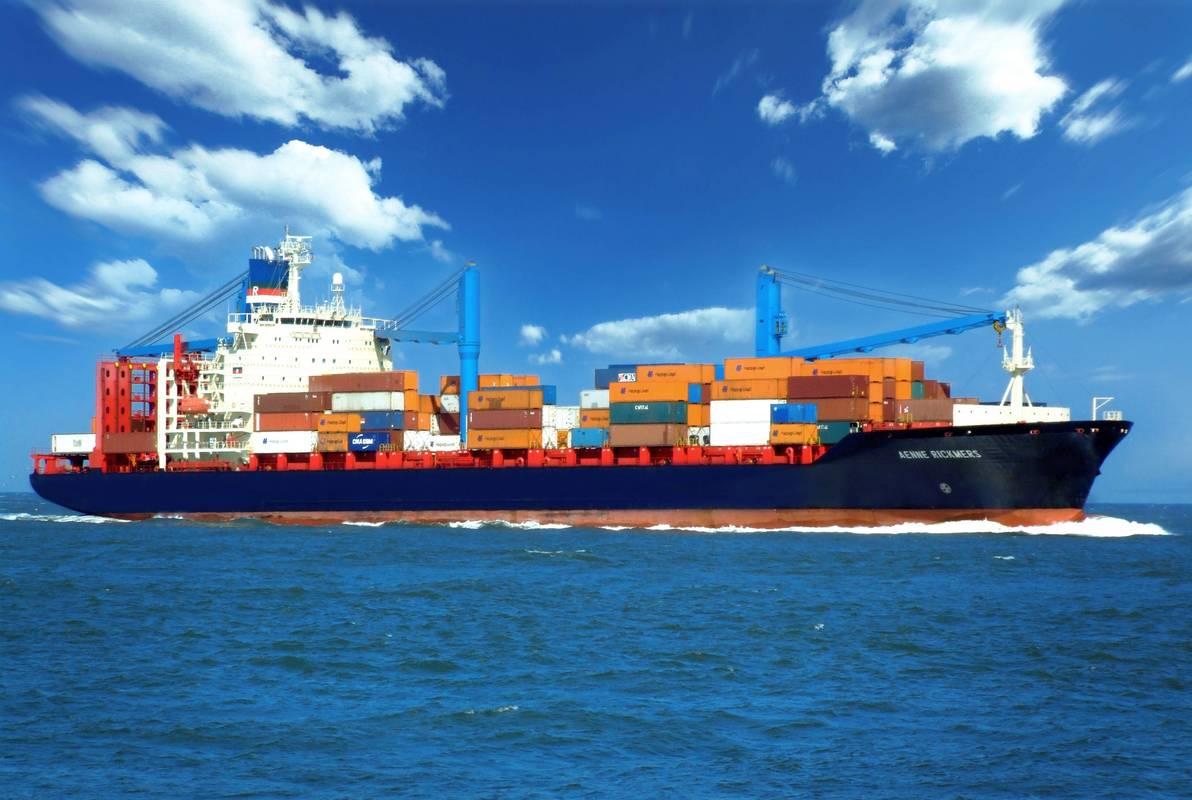
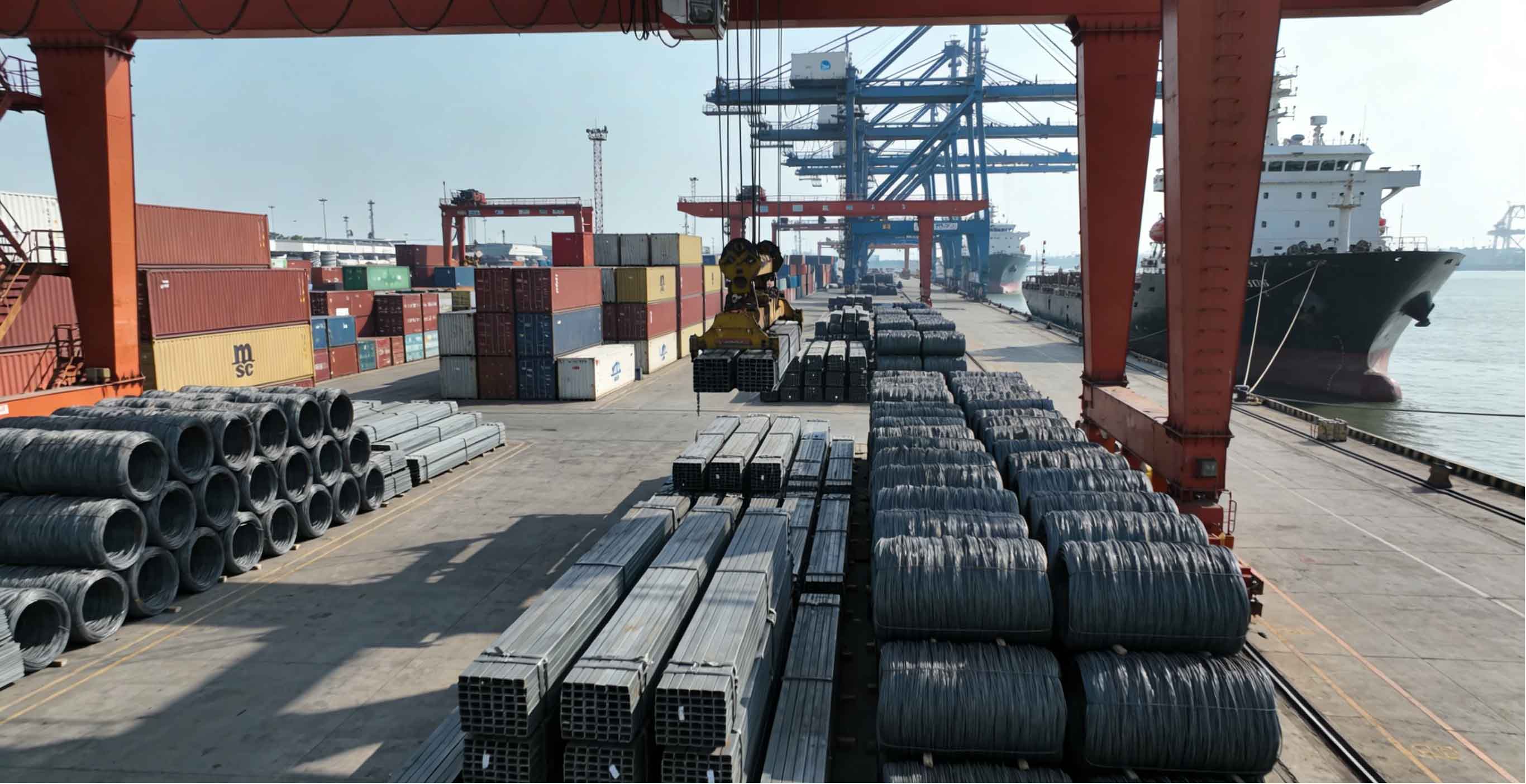
In the international market, the escalation of geopolitical conflicts has significantly impacted the steel rebar supply chain. Factory shutdowns in certain regions have led to widening supply gaps in local markets, driving price fluctuations in steel rebar. Meanwhile, rising global energy prices have increased shipping and production costs, further affecting the global steel rebar market landscape. Additionally, anticipated adjustments in trade policies in some countries have intensified competitive pressure in the international steel rebar export market.
Overall, the domestic and international rebar markets are expected to remain volatile in the short term, with domestic markets requiring close attention to the resumption of construction projects and policy implementation, while international markets will be significantly influenced by geopolitical developments. Industry insiders noted that as demand gradually emerges and supply-demand dynamics adjust, the rebar market is poised to return to rationality, with the sector continuing to progress through an optimization and adjustment phase.
Search News
Mar. 11, 2026
View MoreMar. 09, 2026
Recent Market Updates on Rebar in Domestic and International Markets
View MoreFeb. 28, 2026
Latest Dynamics of Domestic and International Steel Markets
View More