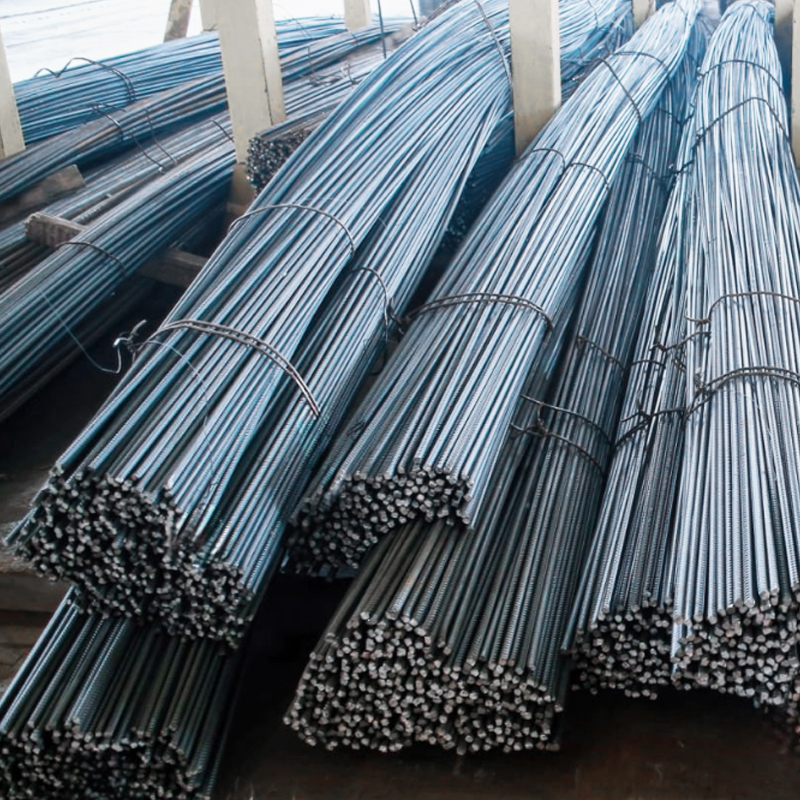
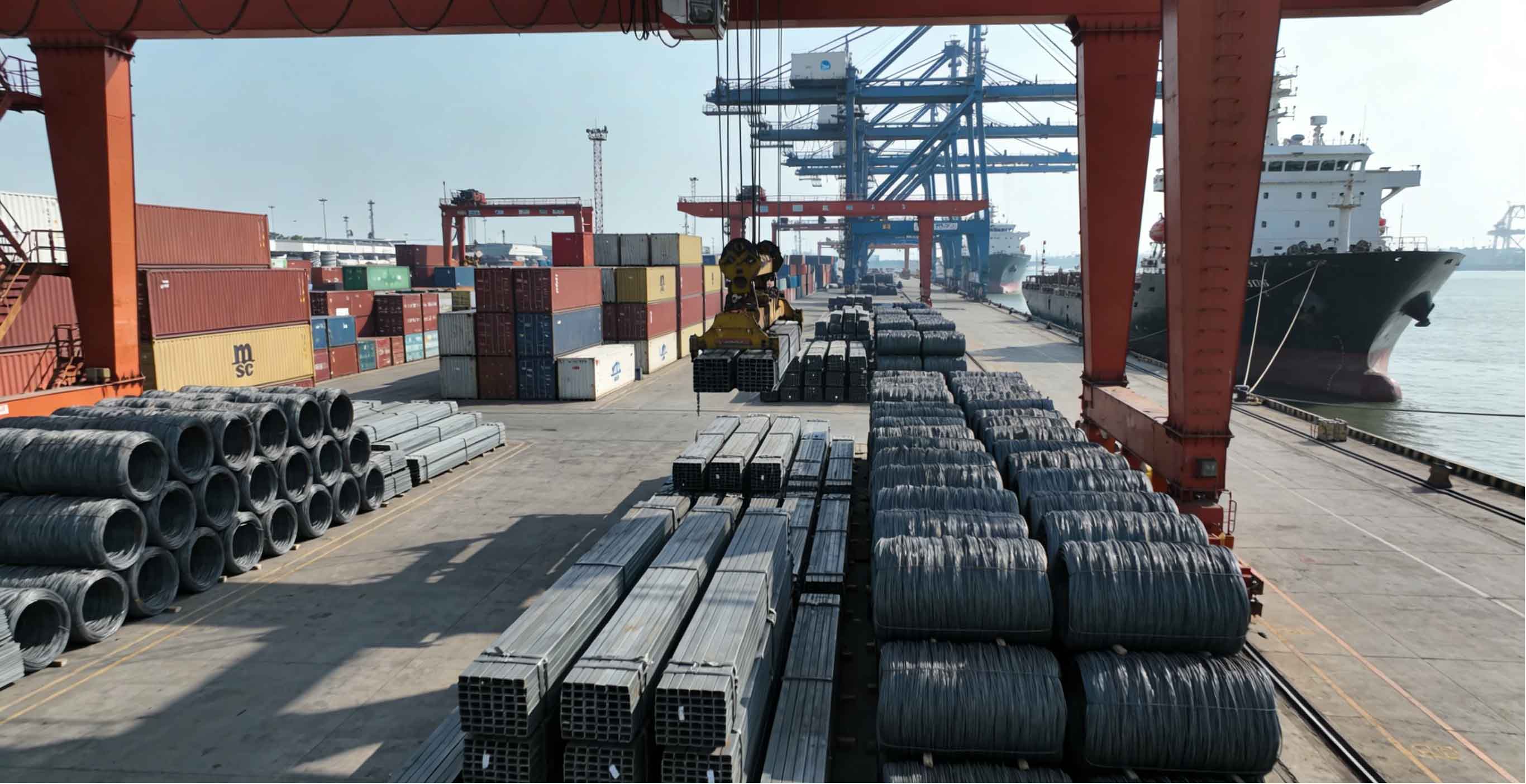
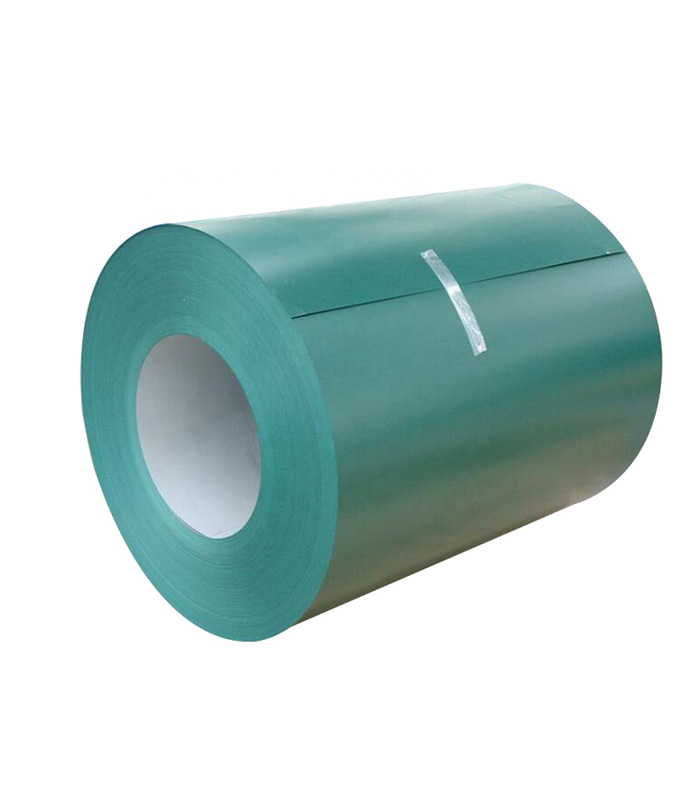
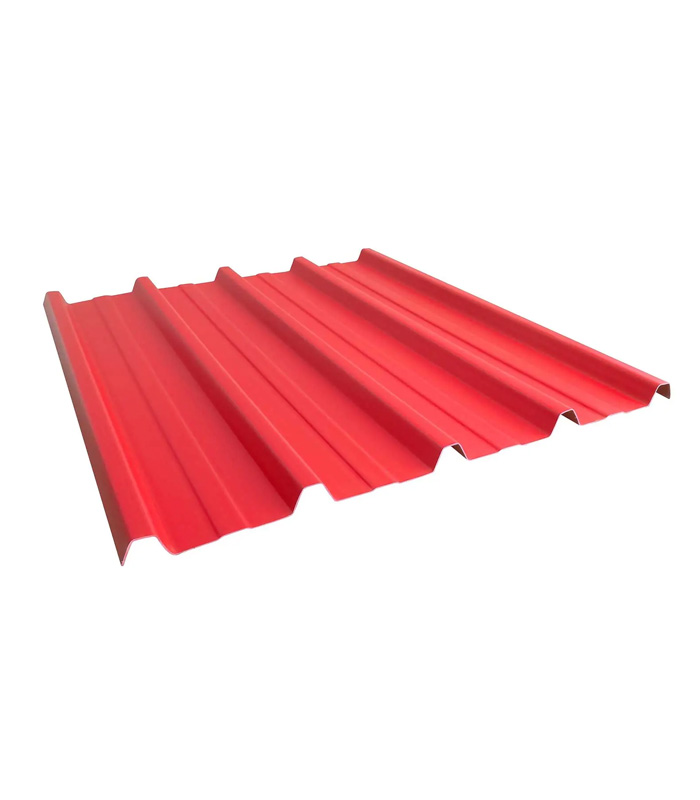
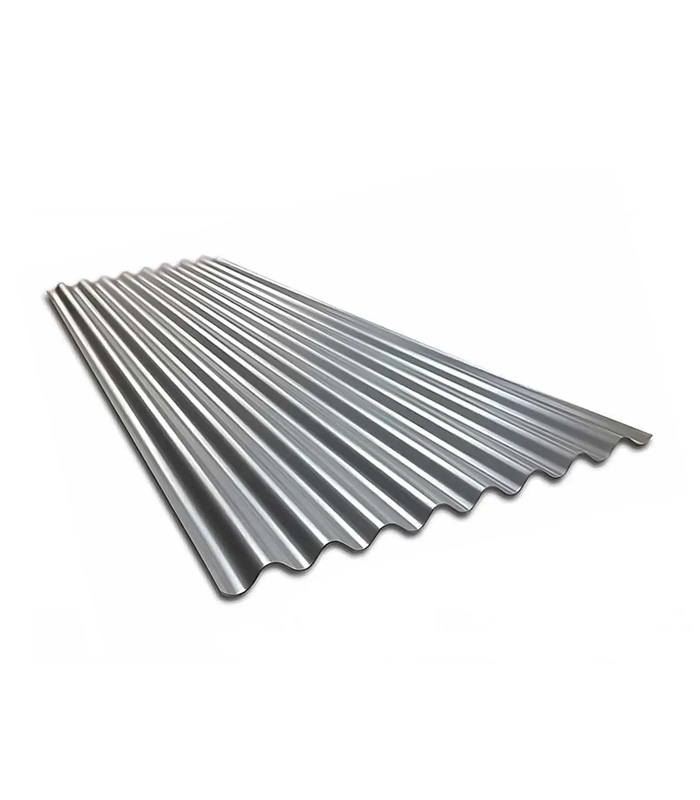
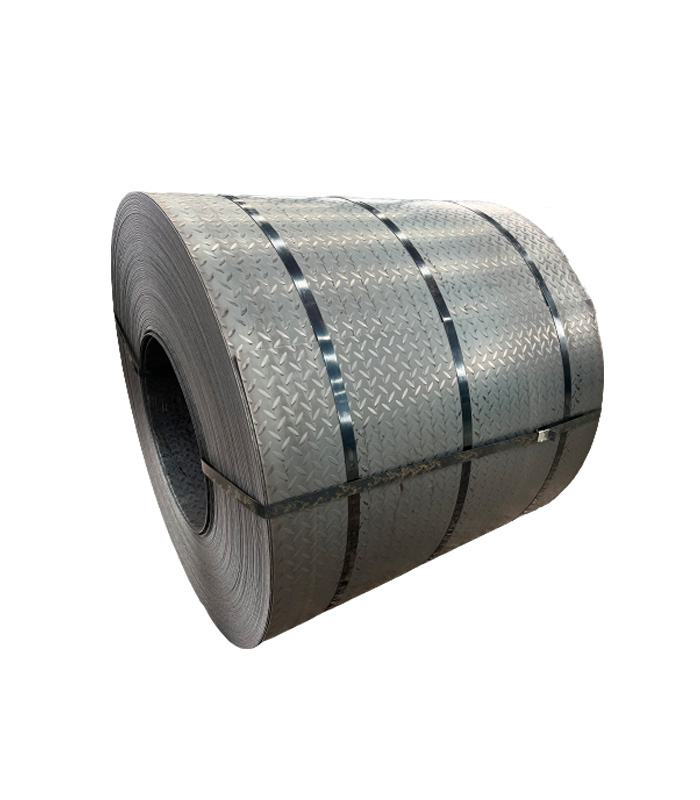
In February 2026, the domestic and international steel markets showed a divergent trend. Driven by the Spring Festival holiday, China’s domestic market saw weak supply and demand, with mild inventory accumulation and range-bound price movements. The global market remained supported by regional demand and trade policies, with relatively firm prices in Europe and the United States and stable export performance.
Domestically, steel mills gradually resumed production after the holiday, while downstream construction sites and manufacturing sectors recovered at a slower pace, leading to thin overall trading activity. Prices for long products and flat products fluctuated slightly, accompanied by strong wait-and-see sentiment. With the launch of key projects and the implementation of stable-growth policies, the market expects a demand recovery in March. Current inventory pressure remains controllable, providing certain support for steel prices. In the industry, structural optimization, capacity control and low-carbon green transformation continue to be the long-term development priorities, with leading enterprises gaining advantages in policy and resource allocation.
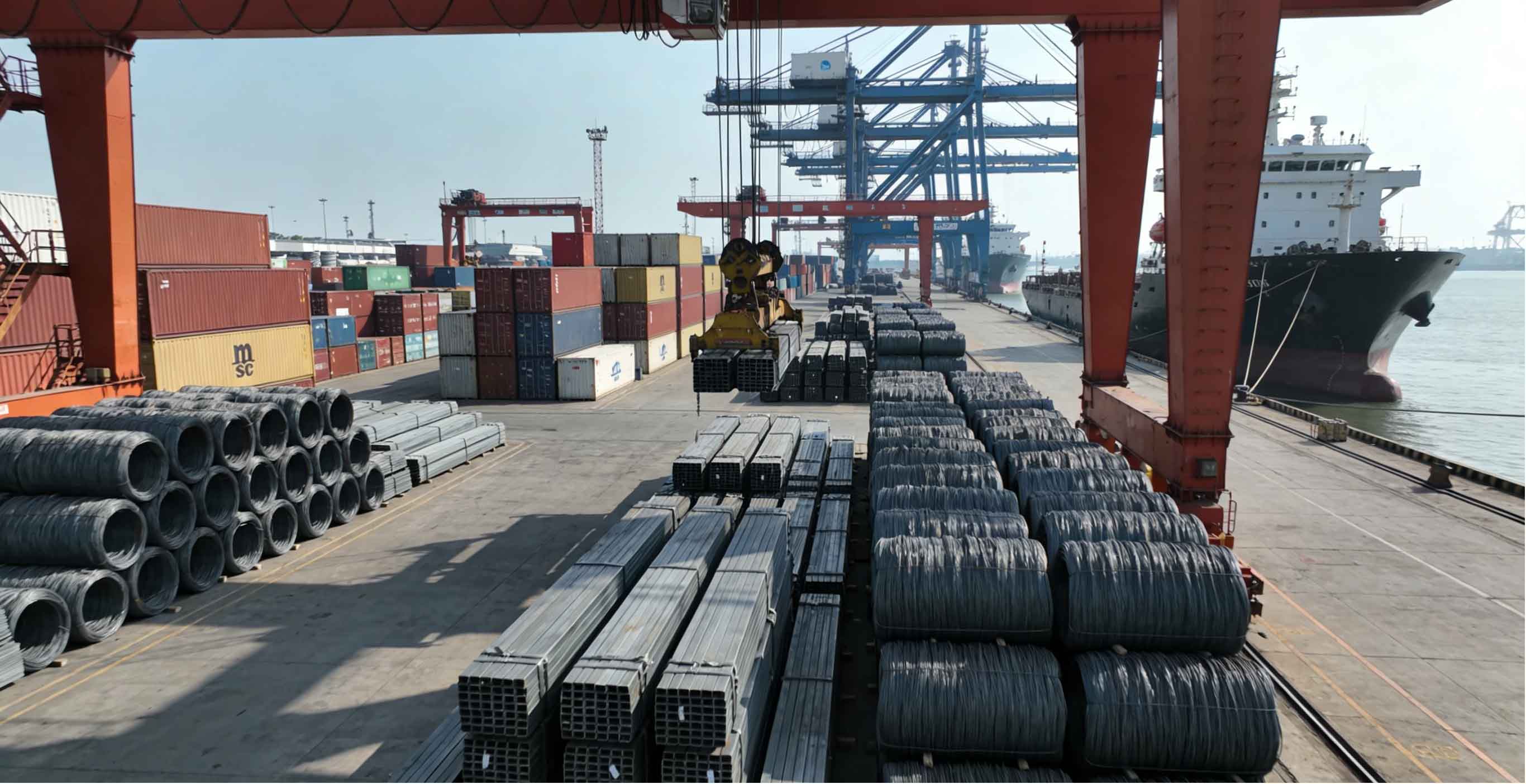
Internationally, manufacturing demand in Europe and the United States remained steady, supporting high prices for products such as hot-rolled coils. China’s steel export environment stayed generally stable, with trade disputes gradually resolved and trade policies adjusted in an orderly manner, leading to more standardized export order. Demand in traditional markets including Southeast Asia and the Middle East remained stable, and export quotations stayed firm, serving as a buffer for external demand.
On the raw material side, iron ore, coke and other commodities moved in line with finished steel products, with port inventories rising. Cost support for steel prices was limited, and raw material prices are expected to follow downstream demand recovery rather than act as an independent driving factor.
Overall, the domestic steel market in February was in a transitional phase from off-season to peak season, with stable prices and structural divergence. The global market continued regional differences, with strength in Europe and the United States and stability in Asia. Focus will turn to the speed of inventory digestion and the landing of terminal orders. In the long run, high-quality industry development and adjustments in the global trade pattern will continue to dominate the trend of the steel market.
Search News