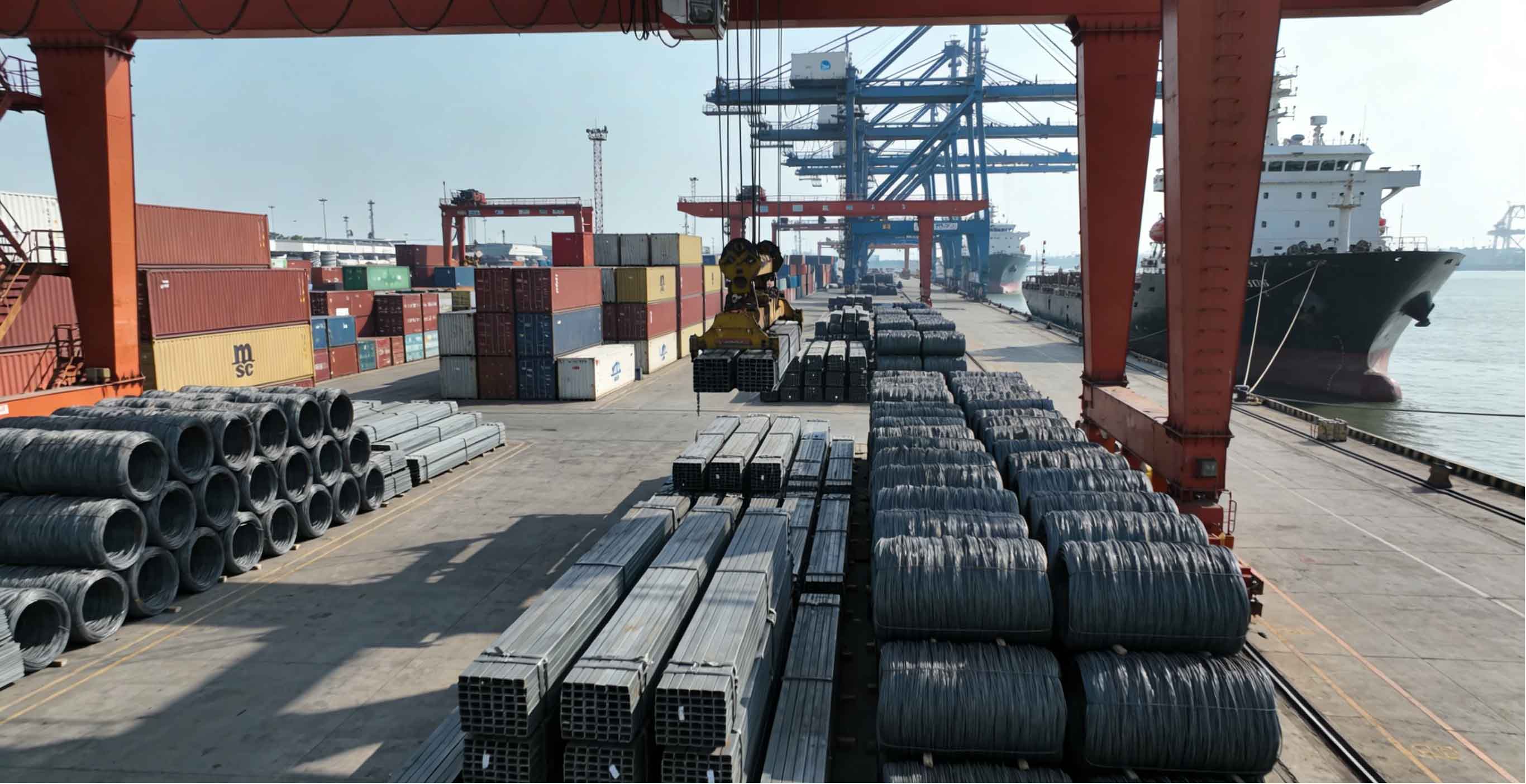
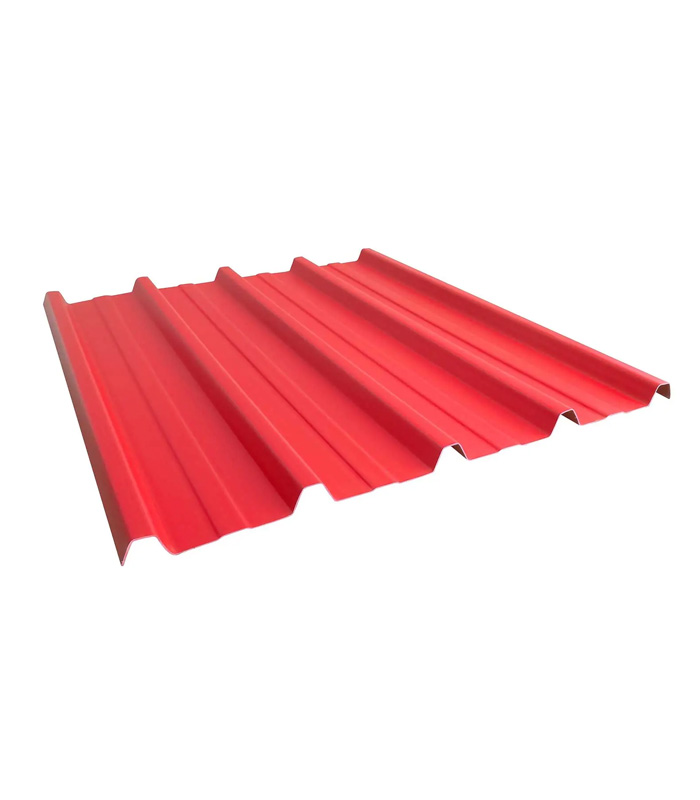
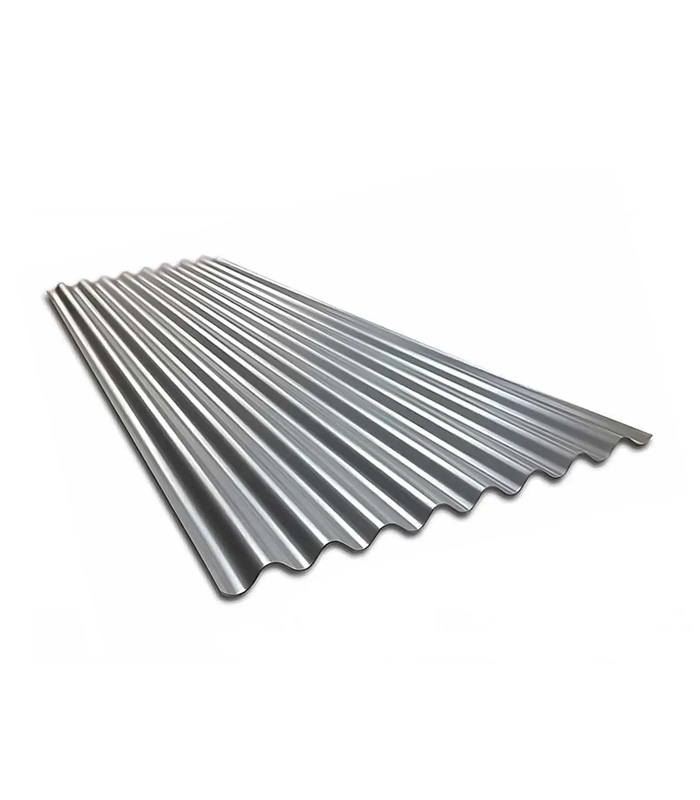
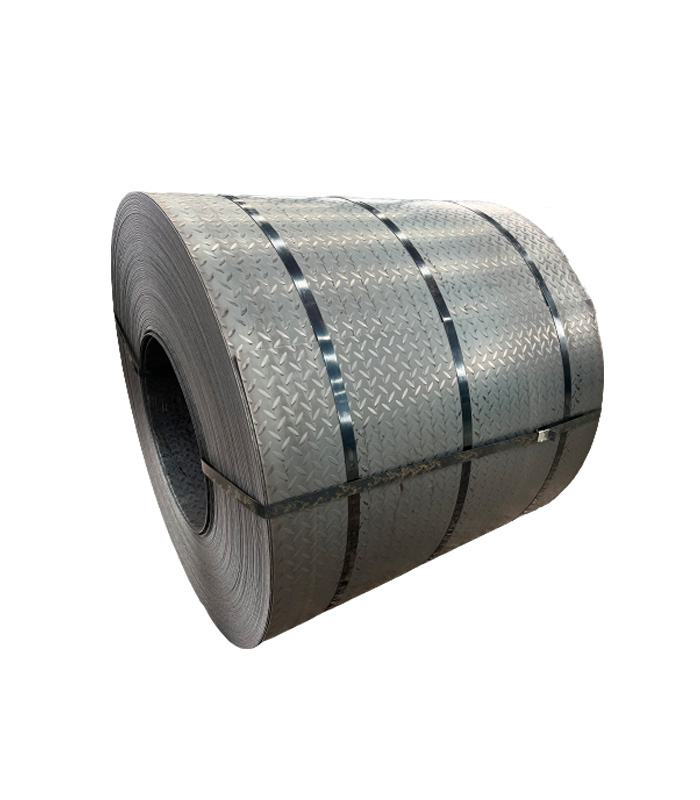
Within the steel family, square steel stands out as an indispensable foundational material for modern industrial and architectural development, thanks to its uniform cross-section and balanced properties. From monumental steel structures to precision equipment frameworks, square steel is ubiquitous, forming the robust skeleton of our era.
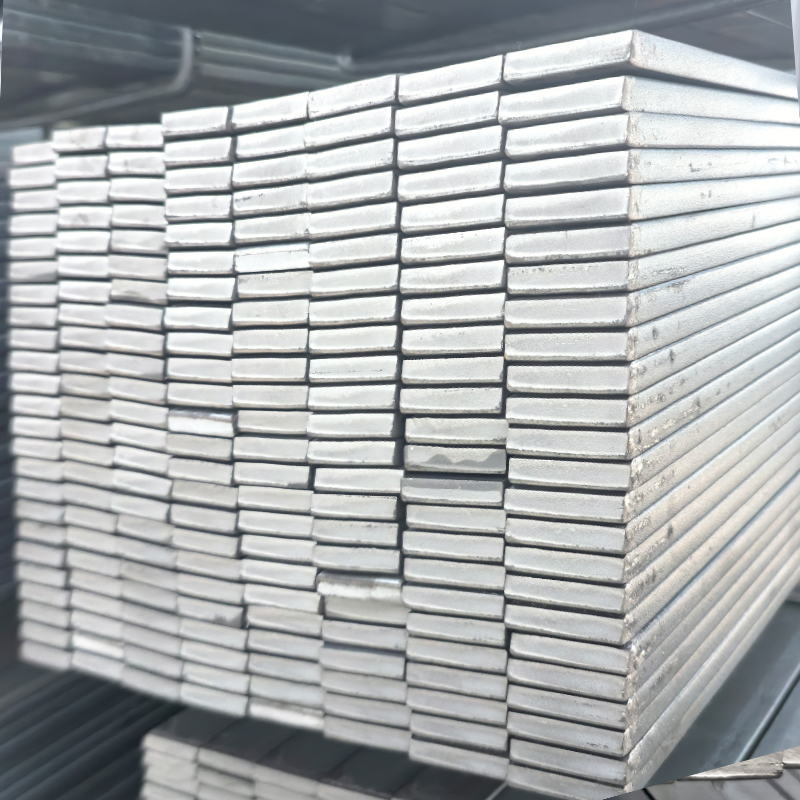
Material and Manufacturing: The Foundation of Performance
Commercially available square steel primarily falls into two categories: hot-rolled square steel and cold-drawn square steel. Hot-rolled square steel is typically manufactured from carbon structural steel (such as Q235) or low-alloy high-strength steel (such as Q345) through high-temperature rolling. It features uniform internal structure, excellent toughness, and strong load-bearing capacity. Cold-drawn square steel, however, is precision-drawn from hot-rolled round steel at room temperature. It boasts a smooth surface, high dimensional accuracy, and superior mechanical strength, making it ideal for applications demanding strict precision.
Diverse Specifications: Addressing Complex Demands
The square steel specification system is highly comprehensive, covering a wide range of edge lengths. Common standard dimensions include 10mm, 20mm, 50mm, 100mm, 200mm, and larger sizes exceeding 500mm. Additionally, wall thicknesses can be adjusted to meet load-bearing requirements, forming a complete series from lightweight to heavy-duty. This flexible specification design allows engineers to precisely select materials for different projects like “building with blocks.”
Core Advantages: What Sets It Apart?
Superior Mechanical Properties: Its symmetrical four-sided cross-section provides isotropic characteristics with balanced bending and torsional resistance, delivering exceptional structural stability.
Outstanding Construction Ease: Square steel is easily cut, drilled, welded, and joined, enabling rapid assembly into complex frameworks. This significantly boosts construction efficiency and reduces overall costs.
Cost-Efficiency: Compared to solid steel, hollow square steel or appropriately sized square steel meets equivalent strength requirements while reducing self-weight and material usage, aligning with green, energy-efficient construction principles.
Aesthetic and Functional Appeal: Its clean, uniform profile facilitates subsequent corrosion protection treatments like painting or galvanizing, while also enabling exposed structural elements to achieve industrial aesthetic effects in architectural design.
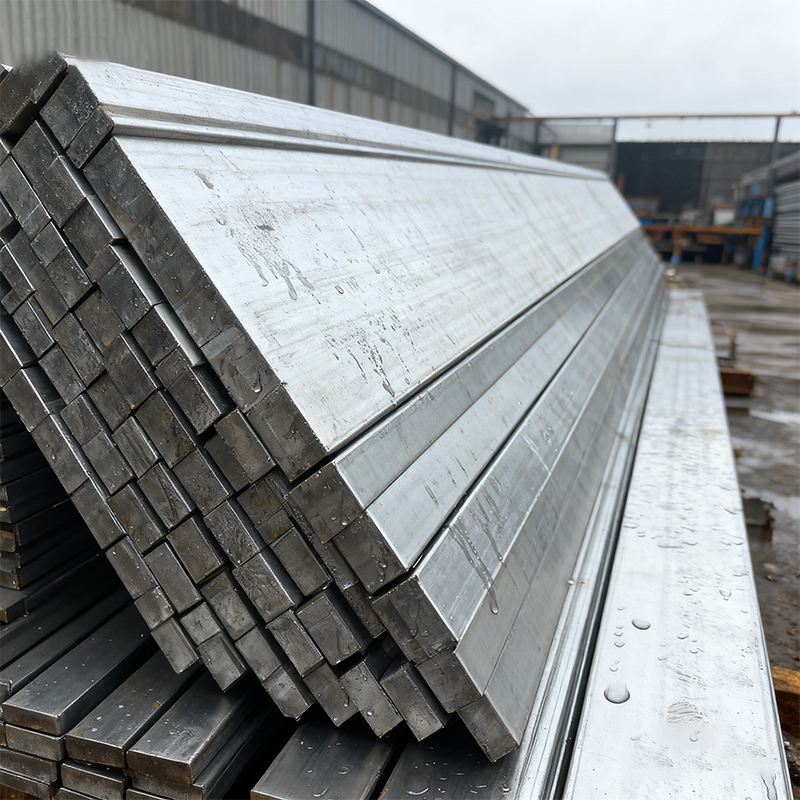
Based on these advantages, square steel finds extensive applications across various sectors:
Construction: Serves as primary framing material for steel structures, warehouses, logistics centers, commercial complexes, and sports venues, and is commonly used in glass curtain wall support frameworks.
Manufacturing: Widely employed in machinery bases, production line supports, heavy-duty shelving, and automated equipment frameworks, providing stable and reliable structural backing.
Infrastructure: Utilized in bridge auxiliary components, municipal guardrails, and utility pole towers.
Other Sectors: Visible in rail transit vehicle manufacturing, ship compartment structures, modern agricultural greenhouses, and even high-end furniture design.
With China's manufacturing upgrade and the advancement of new building industrialization, higher demands are placed on square steel's strength, weather resistance, and customization precision. Moving forward, high-performance, lightweight, and eco-friendly square steel products will continue to serve as a robust “hard core,” laying an even more solid foundation for “China Construction” and “China Intelligent Manufacturing.”
Search News